
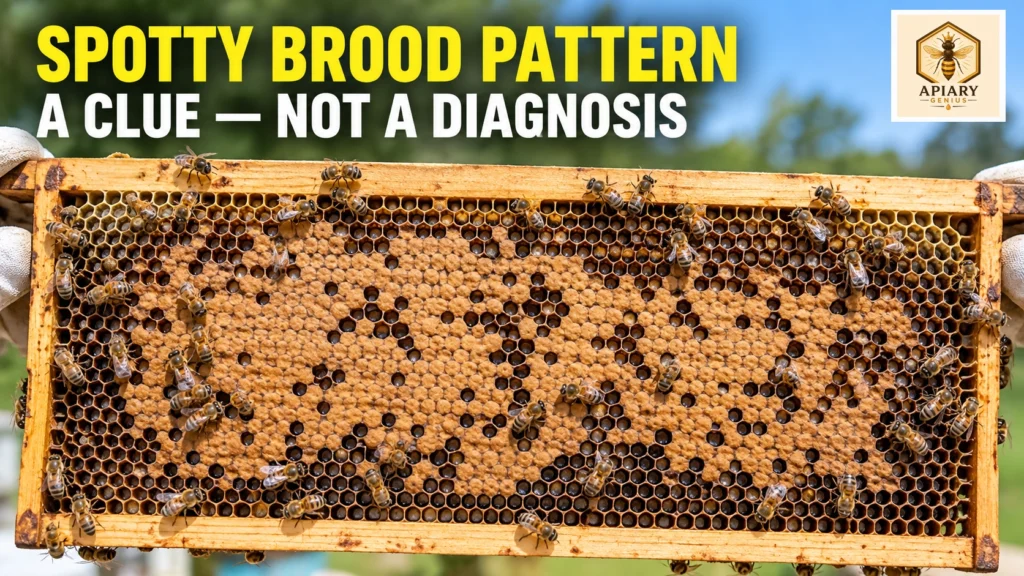
Spotty Brood Pattern in Honey Bees: Causes, What It Means, and What to Check
A spotty brood pattern can be unsettling. You pull a brood frame expecting a fairly continuous patch of capped worker
Use this hub to identify and work through common honey bee health problems. Start with what you can actually observe, then use the relevant guide to narrow the possibilities. A visible sign is not a diagnosis by itself, so interpret symptoms alongside brood condition, adult-bee behavior, colony strength, season, food stores, pest pressure, and recent events.
Start With the Symptom
If the first thing you notice is unusual mortality at the entrance, begin with the symptom-first troubleshooting guide.
Why Are There Dead Bees in Front of My Hive? Normal vs. Warning Signs — distinguish normal housekeeping and seasonal mortality from patterns that deserve closer investigation.
Mites & Virus Problems
Use these guides when mite pressure, virus signs, or parasite-related colony decline is part of the concern.
How to Control Varroa Mites — identification, monitoring, and practical control of the most important parasitic mite affecting managed honey bees.
Deformed Wing Virus in Honey Bees — symptoms, the Varroa connection, and management considerations.
Tropilaelaps Mites in Honey Bees — identification, symptoms, spread, and what U.S. beekeepers should know about this emerging parasite.
Brood Diseases
These guides focus on diseases that are primarily recognized through brood signs and brood-nest inspection.
American Foulbrood in Honey Bees — symptoms, diagnosis, and management of this serious bacterial brood disease.
European Foulbrood in Honey Bees — how to recognize suspicious brood signs and distinguish EFB from other brood problems.
Chalkbrood in Honey Bees — how to recognize chalkbrood mummies, understand contributing conditions, and manage affected colonies.
Sacbrood in Honey Bees — symptoms, diagnosis, and management of this viral brood disease.
Adult Bee Disease
Use this guide when the concern centers on adult-bee health rather than brood alone.
Nosema in Honey Bees — symptoms, diagnosis, testing, and management when adult-bee decline or digestive signs raise concern.
Browse all Bee Health & Diseases articles below for the complete archive.
A spotty brood pattern can be unsettling. You pull a brood frame expecting a fairly continuous patch of capped worker
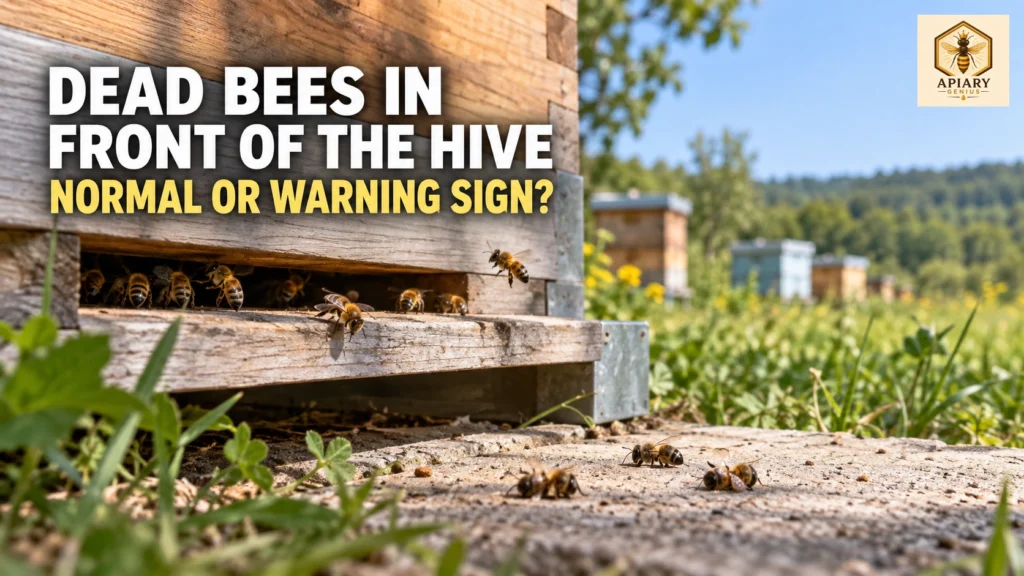
Finding dead bees in front of hive entrances can be alarming, but the sight alone does not tell you what
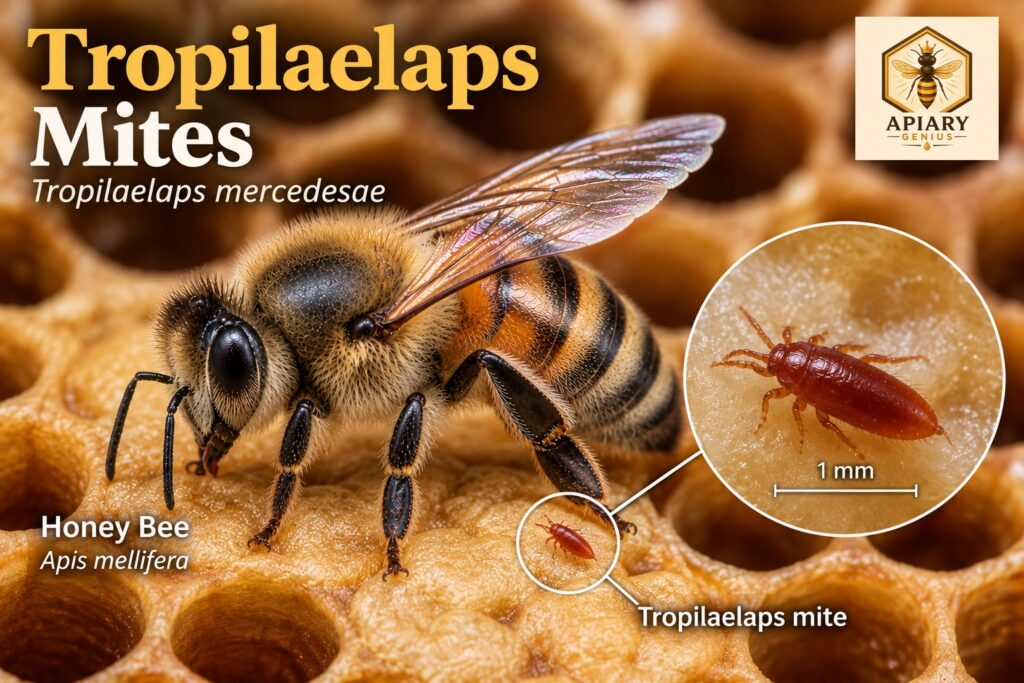
Tropilaelaps mites are parasitic mites of honey bees that deserve close attention from beekeepers—even in places where they have not
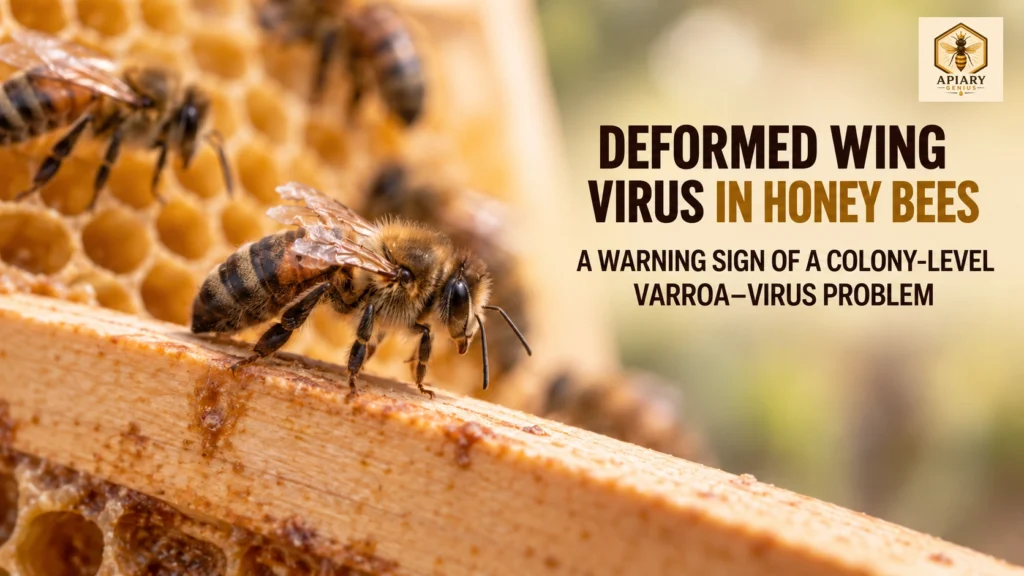
Deformed wing virus in honey bees is best known for producing workers with shriveled, shortened, or malformed wings. However, the
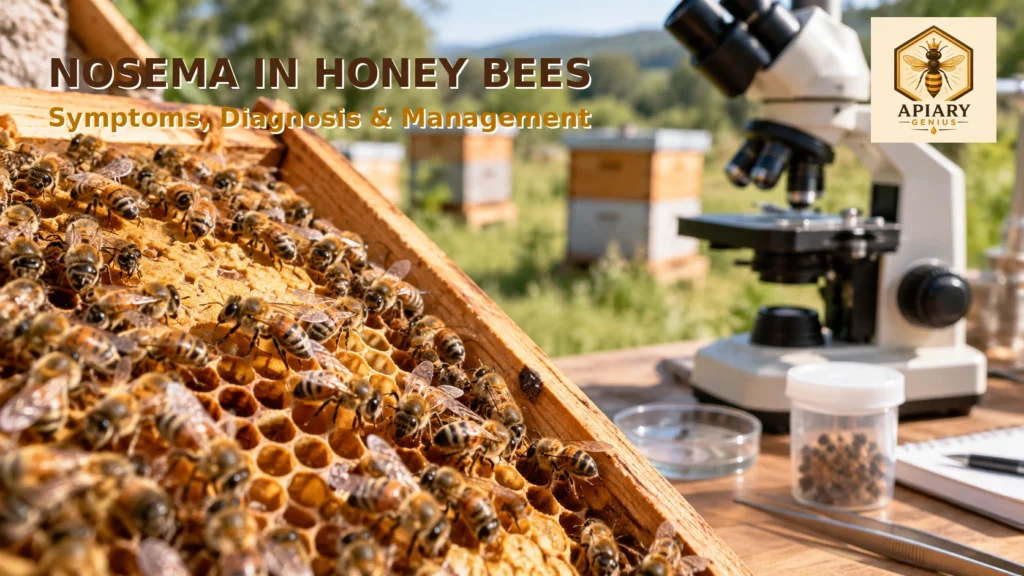
Nosema in honey bees can be difficult to recognize because the signs you see at the hive rarely provide a
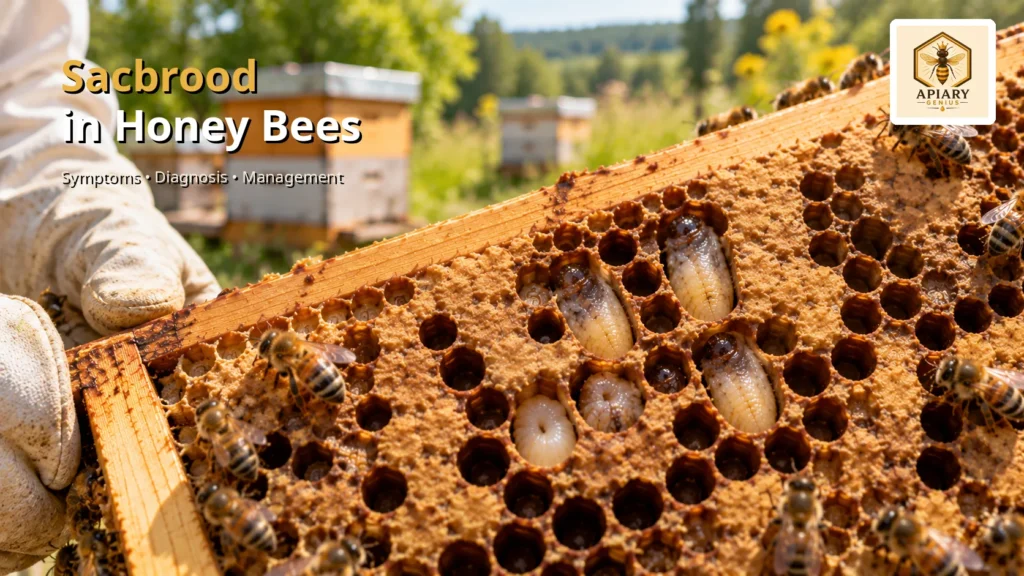
Finding dead, discolored, or strangely positioned larvae in a brood nest can be alarming. One possible cause is sacbrood, a
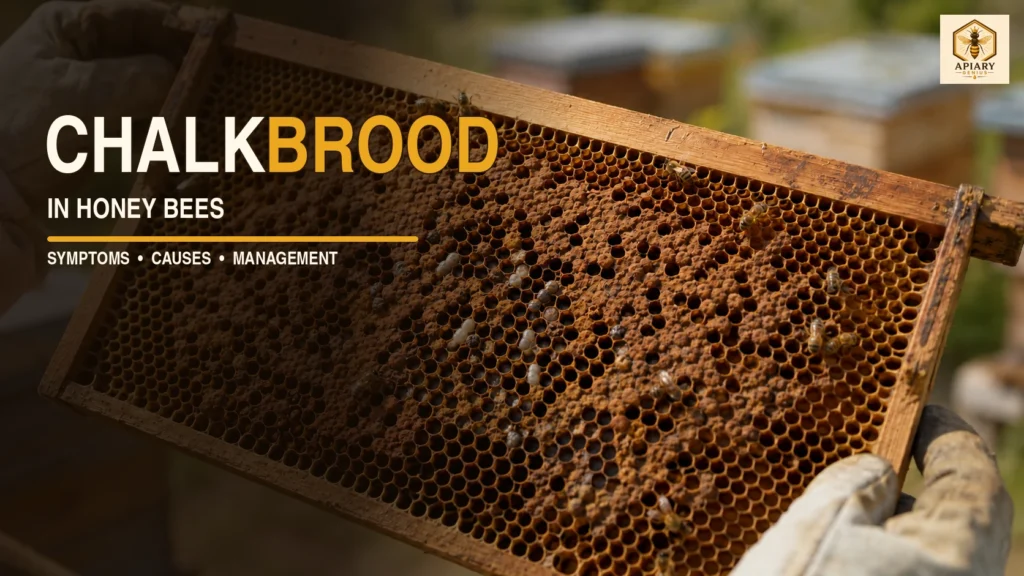
Finding small white, gray, mottled, or black objects in brood cells—or scattered across the bottom board and near the hive
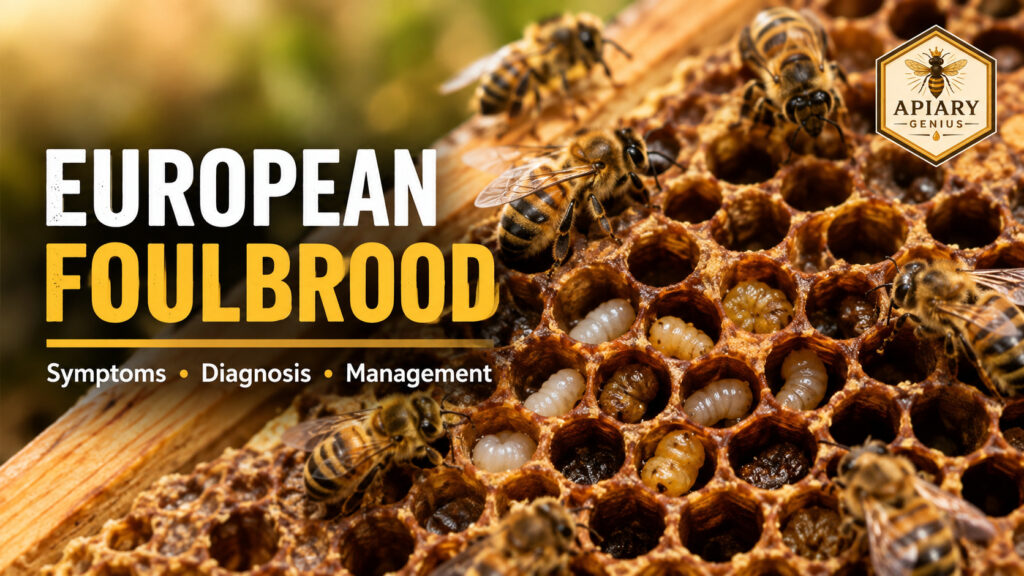
European foulbrood is a bacterial disease of honey bee brood that can range from a limited, temporary problem to a
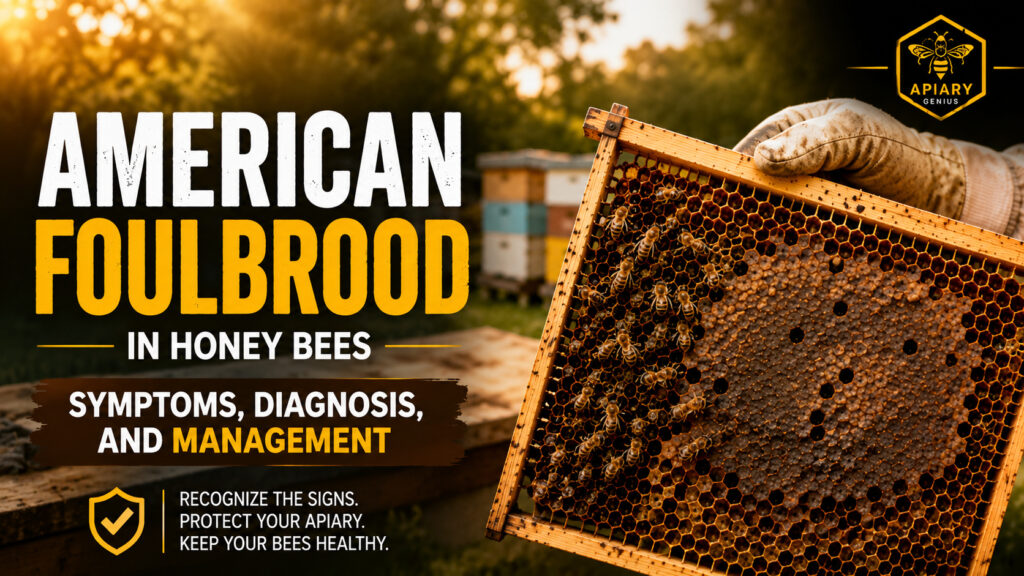
American foulbrood is one of the most serious bacterial diseases affecting honey bee brood. It can begin with only a

How to control varroa mites effectively is essential for protecting honey bee colonies from one of their most destructive parasites.