
ApiaryGenius is your home for trusted beekeeping resources — practical guides on honey production, hive management, and bee health.
Welcome to ApiaryGenius
Practical beekeeping guides to help you understand your bees, manage your hives, and decide what to check next.
Explore Beekeeping by Topic
Find practical beekeeping resources for your next inspection, a colony-health concern, or your first honey harvest.
Beginner Guides
Plan your first hive, choose equipment, and learn the basics of caring for bees.
Explore beginner guides → In the apiaryHive Management
Understand colony behavior, inspect frames, and work through common hive problems.
Explore hive management → Colony healthBee Health & Diseases
Recognize warning signs and learn what to check before choosing a response.
Explore bee health → From hive to jarHoney Harvesting
Learn the steps for harvesting honey while accounting for your colony’s needs.
Explore honey harvesting →Where Do You Start?
Choose the next step that fits your experience.
Start with the Basics
Get an overview of equipment, hive location, and seasonal care.
Read the beginner’s guide → 02 / Colony careManage Your Hive
Find guidance for inspections, changing conditions, and everyday decisions.
Find a management guide → 03 / Honey harvestPrepare for Harvest
Follow the process from selecting frames to extracting and storing honey.
Read the harvesting guide →Investigate a Hive Problem
Start with what you can observe, then check the possible causes.
Latest Beekeeping Guides
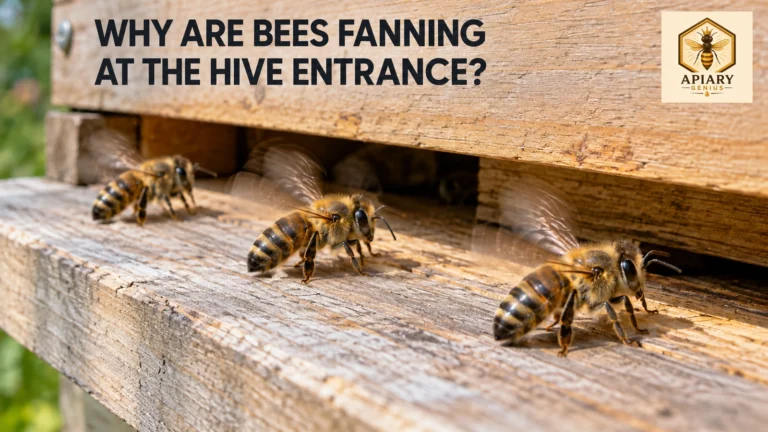
- Why Are Bees Fanning at the Hive Entrance? Cooling, Ventilation, or Nasonov Scenting
 Bees fanning at hive entrance are usually doing normal colony work. Workers standing on the landing board with their wings moving rapidly… Read more: Why Are Bees Fanning at the Hive Entrance? Cooling, Ventilation, or Nasonov Scenting
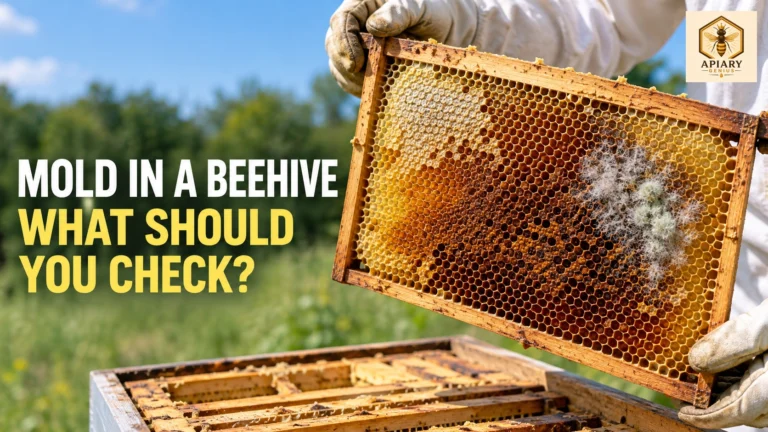
- Mold in a Beehive: Is It Dangerous and What Should You Do?Finding mold in a beehive does not automatically mean the bees are sick or the comb is ruined. It usually indicates that… Read more: Mold in a Beehive: Is It Dangerous and What Should You Do?
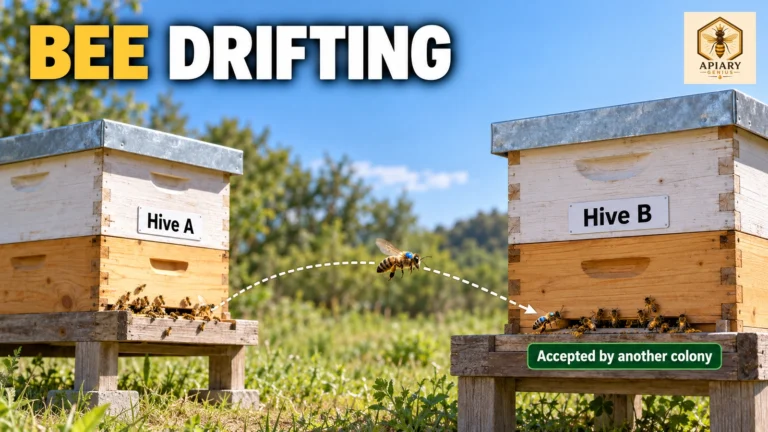
- Bee Drifting Between Hives: Why It Happens and How to Reduce ItBee drifting happens when a honey bee returns to and is accepted by a colony other than its own. Some movement between… Read more: Bee Drifting Between Hives: Why It Happens and How to Reduce It
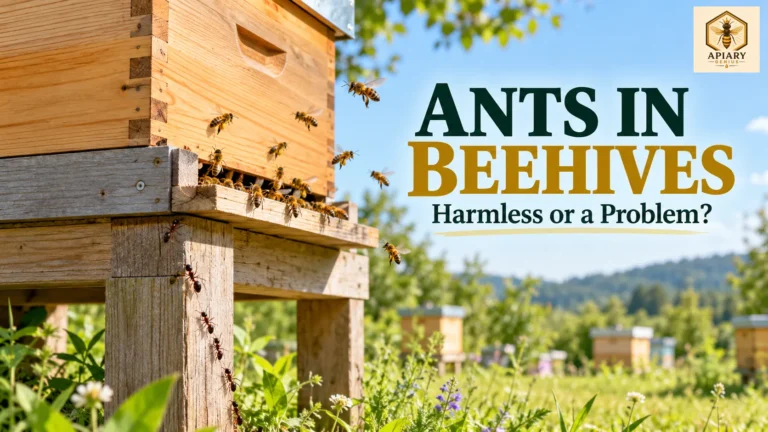
- Ants in Beehives: When They’re Harmless and How to Control ThemFinding ants in a beehive can be alarming, especially when they appear beneath the lid, gather around a feeder, or form a… Read more: Ants in Beehives: When They’re Harmless and How to Control Them
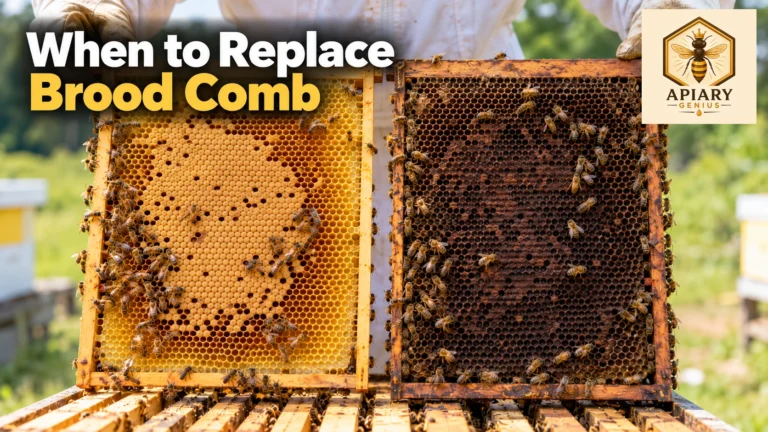
- When to Replace Brood Comb: Signs, Risks, and a Practical Rotation PlanA brood frame that started with pale, freshly drawn wax can become dark brown or nearly black after years of use. That… Read more: When to Replace Brood Comb: Signs, Risks, and a Practical Rotation Plan
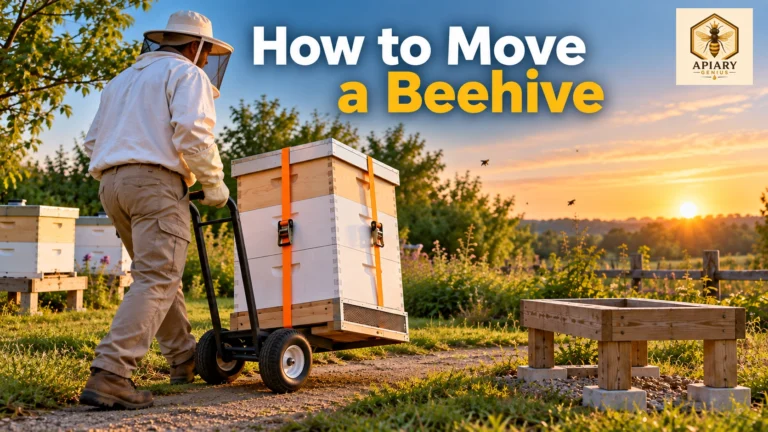
- How to Move a Beehive: Short- and Long-Distance RelocationMoving a beehive is not just a lifting problem. It is also an orientation problem. Experienced foragers have already learned where their… Read more: How to Move a Beehive: Short- and Long-Distance Relocation
Colony conditions, climate, and local rules matter. Our guides explain what to observe and reference supporting sources where appropriate. For treatments, follow the product label and applicable local guidance.
Read our editorial policy · About Apiary Genius