
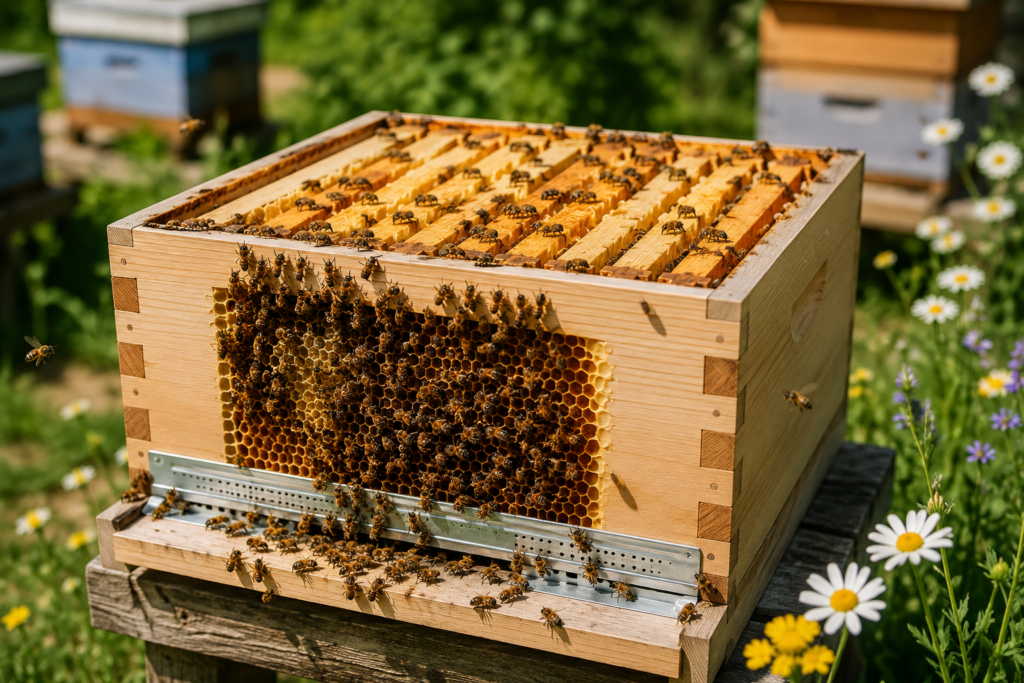
How to Start Beekeeping is easier than many beginners think. Beekeeping is a rewarding hobby and a valuable skill that allows you to support pollinators, produce natural honey, and connect with nature…
Table of Contents
What Is Beekeeping?
Beekeeping is the practice of maintaining honey bee colonies in specially designed hives. Beekeepers care for bees to produce honey, beeswax, and other valuable hive products while helping pollinate flowers, fruits, and crops. It is a rewarding activity that combines agriculture, science, and environmental conservation.
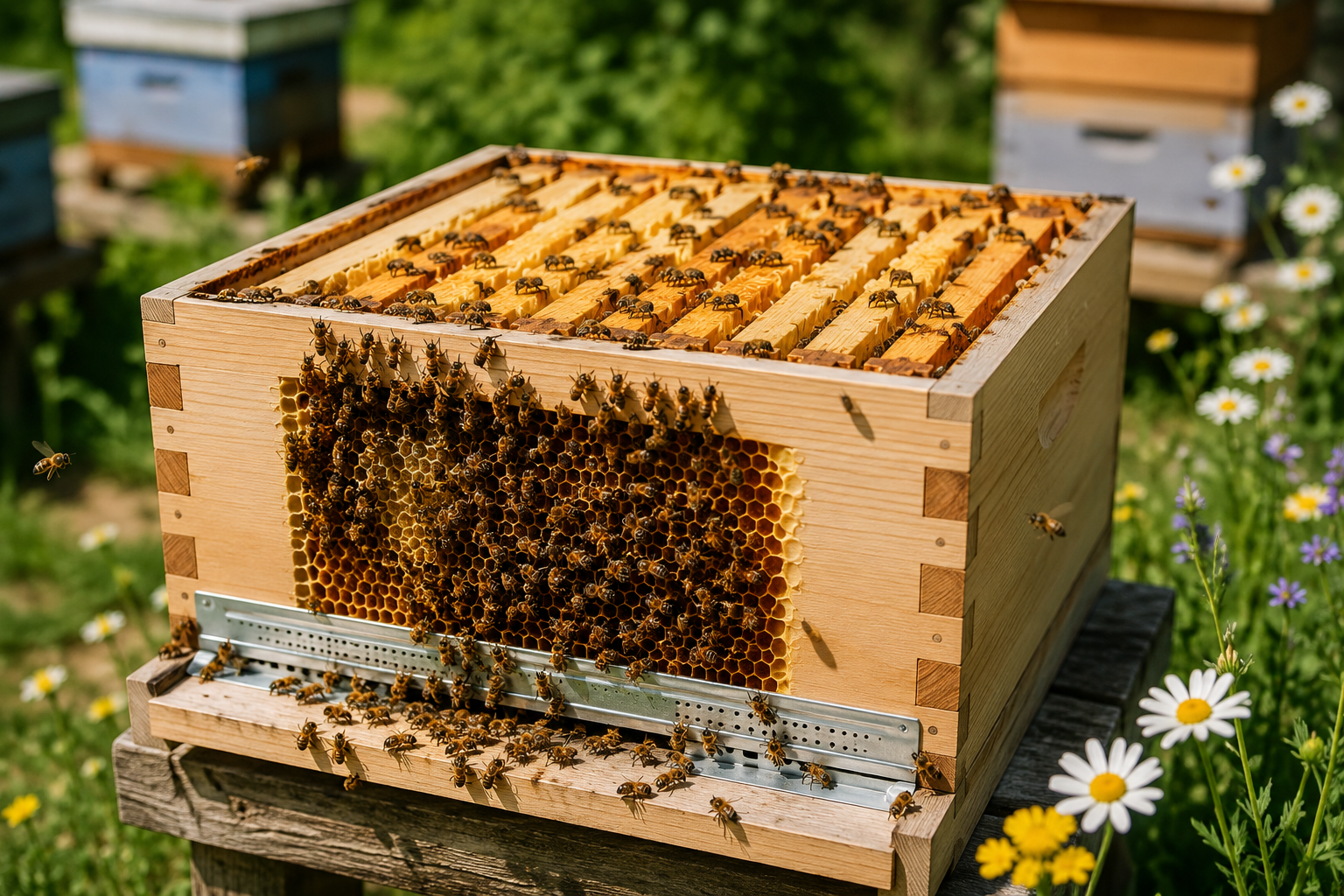
Benefits of Beekeeping
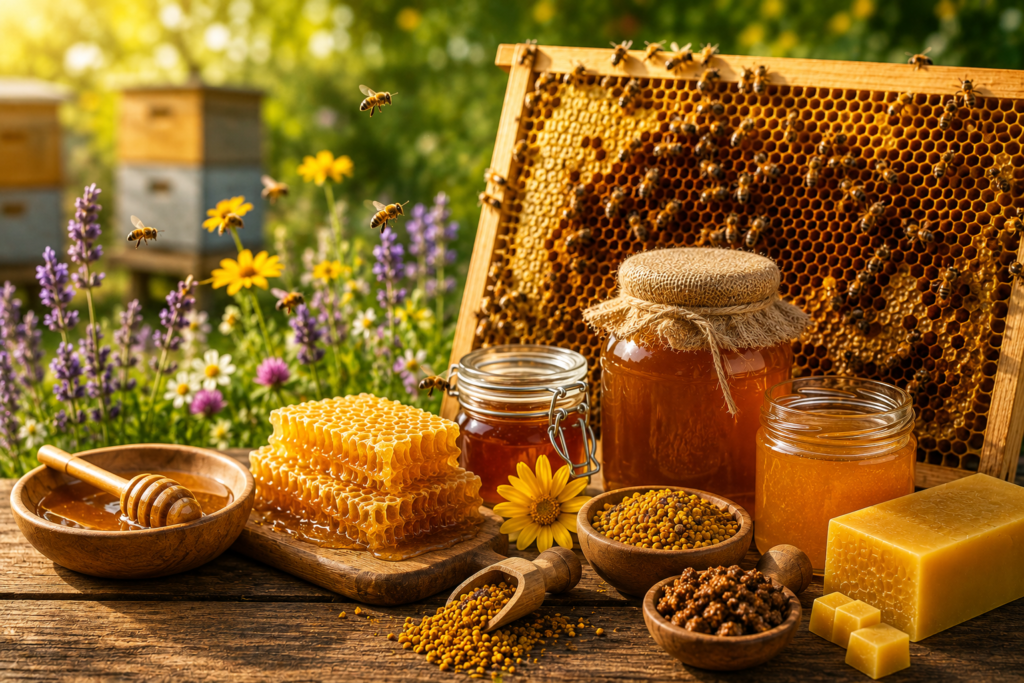
Beekeeping offers many benefits beyond producing honey. It helps protect pollinators that are essential for agriculture, supports biodiversity, and provides valuable products such as beeswax, propolis, pollen, and royal jelly. Many beekeepers also enjoy the relaxing experience of working with bees while creating an additional source of income.
Essential Beekeeping Equipment
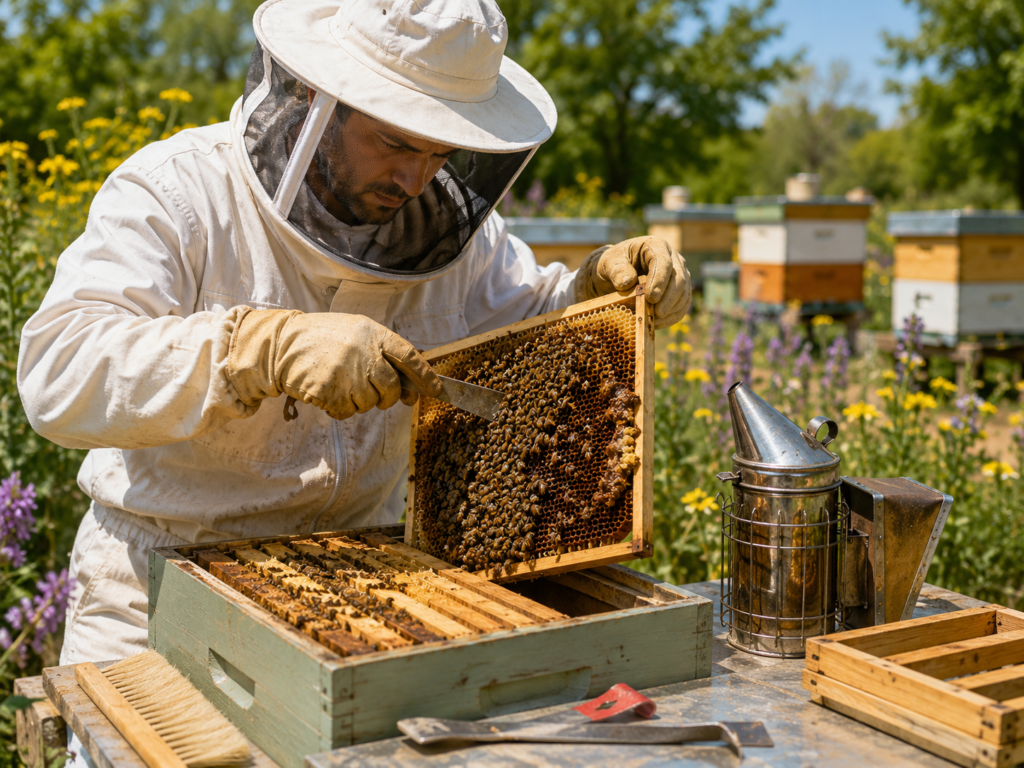
To keep bees successfully, you need the right equipment to ensure both your safety and the health of your colony. Essential beekeeping tools include a protective suit, gloves, a veil, a smoker, a hive tool, a bee brush, and a wooden hive with frames. Investing in quality equipment makes hive inspections easier, reduces stress on the bees, and helps beginners build confidence while working with their colonies.
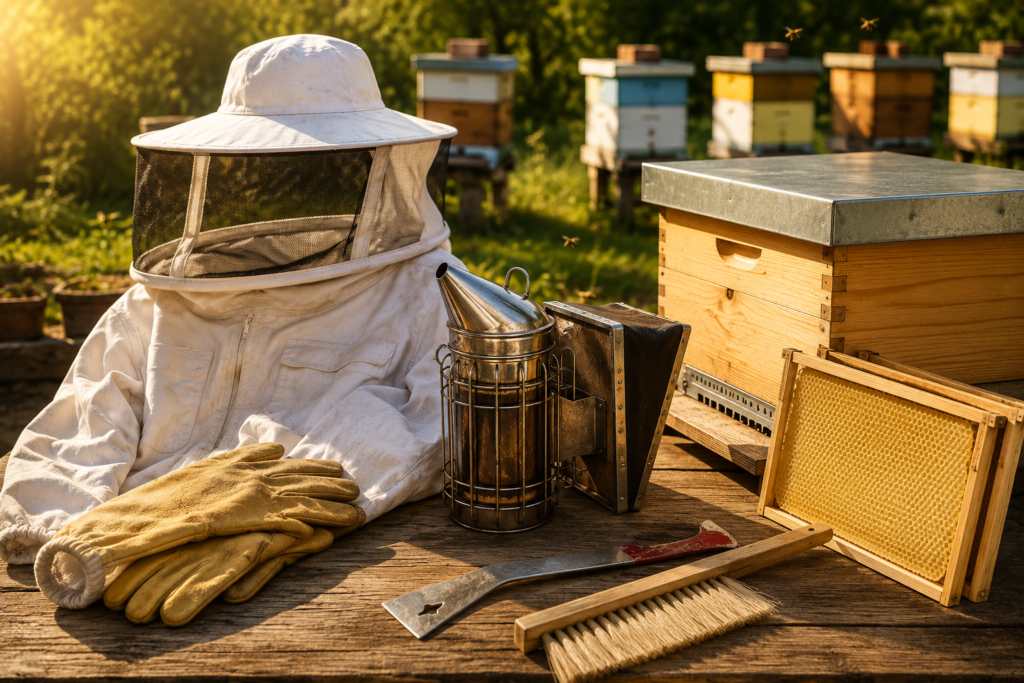
- Protective Beekeeping Suit
- Beekeeping Veil
- Leather Gloves
- Bee Smoker
- Hive Tool
- Bee Brush
- Wooden Hive with Frames
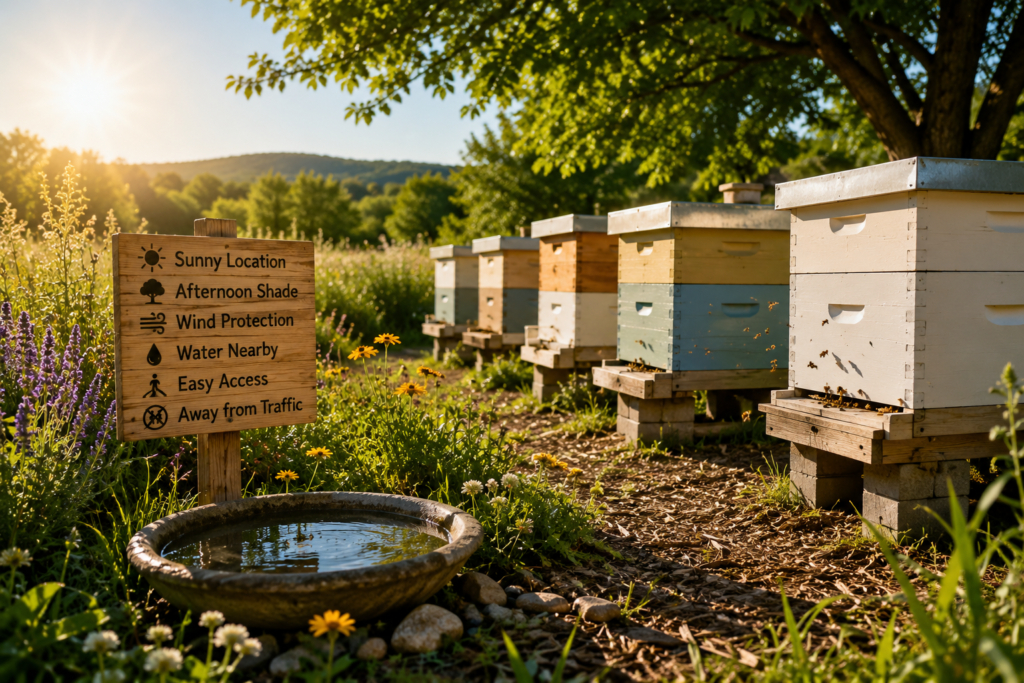
How to Start Beekeeping: Choosing the Right Hive Location
How to Start Beekeeping successfully begins with choosing the right location for your hive. Choosing the right location for your beehive is essential for maintaining a healthy and productive colony. Place your hive in a sunny area with some afternoon shade, protect it from strong winds, and ensure easy access to clean water. The hive should also be positioned away from busy walkways while remaining easily accessible for regular inspections and maintenance.
How to Care for Your Bees Throughout the Year
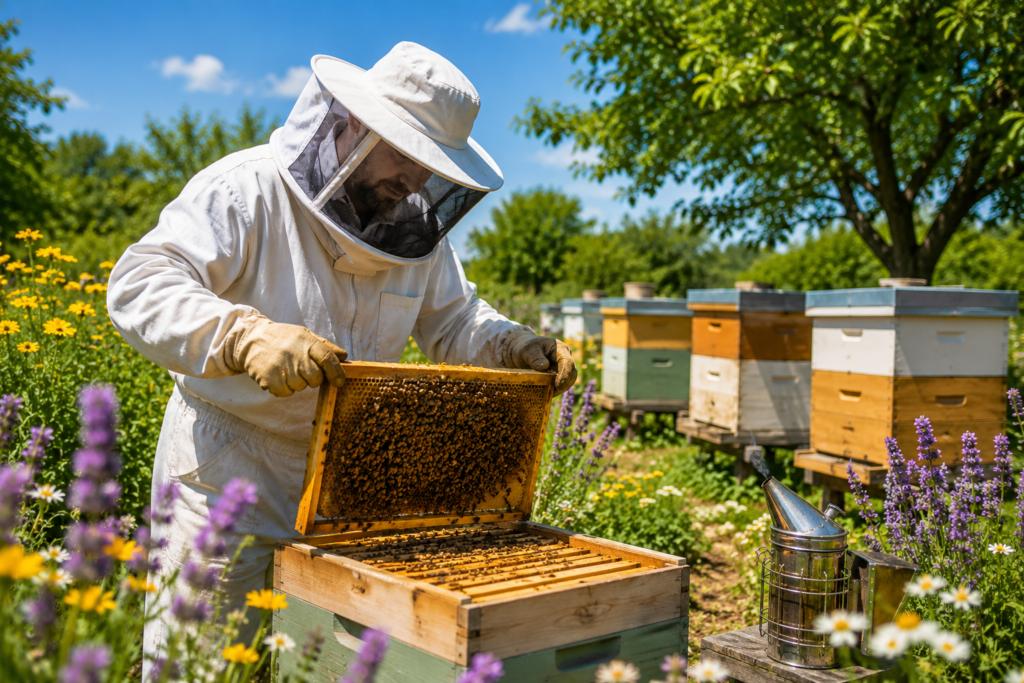
How to Start Beekeeping also means learning how to care for your bees throughout the year. Caring for your bees throughout the year is essential for maintaining a healthy and productive colony. In spring, inspect the hive, check the queen’s performance, and ensure there is enough space for growth. During summer, monitor food supplies and watch for signs of swarming. In autumn, prepare the hive for colder weather by reducing entrances and ensuring sufficient honey stores. During winter, disturb the hive as little as possible while checking that it remains protected from harsh weather and has enough food to survive.
Common Beekeeping Mistakes to Avoid
How to Start Beekeeping without common mistakes is easier when you understand what to avoid. Every beginner beekeeper makes mistakes, but avoiding the most common ones can save your colony. Do not neglect regular hive inspections, avoid over harvesting honey, and never ignore signs of disease or pests. Make sure your bees always have enough food during periods of low nectar flow. Learning from experienced beekeepers and staying patient will help you build a strong and healthy colony over time.
- Skipping regular hive inspections
- Harvesting too much honey
- Ignoring pests and diseases
- Placing the hive in a poor location
- Disturbing the colony too often
- Failing to provide enough winter food
Frequently Asked Questions (FAQ)
How often should I inspect my hive?
Inspect your hive every 7–10 days during the active season to monitor colony health and detect problems early.
How much honey should I leave for the bees?
Always leave enough honey for the colony, especially before winter. The exact amount depends on your climate.
Is beekeeping difficult for beginners?
No. With the right equipment, patience, and regular learning, most beginners can successfully manage a healthy hive.
Conclusion
Beekeeping is a rewarding hobby that benefits both people and the environment. By learning the basics, using the right equipment, choosing a suitable hive location, and caring for your bees throughout the year, you can build a healthy and productive colony. Continue learning, observe your bees regularly, and enjoy the journey of becoming a successful beekeeper.