
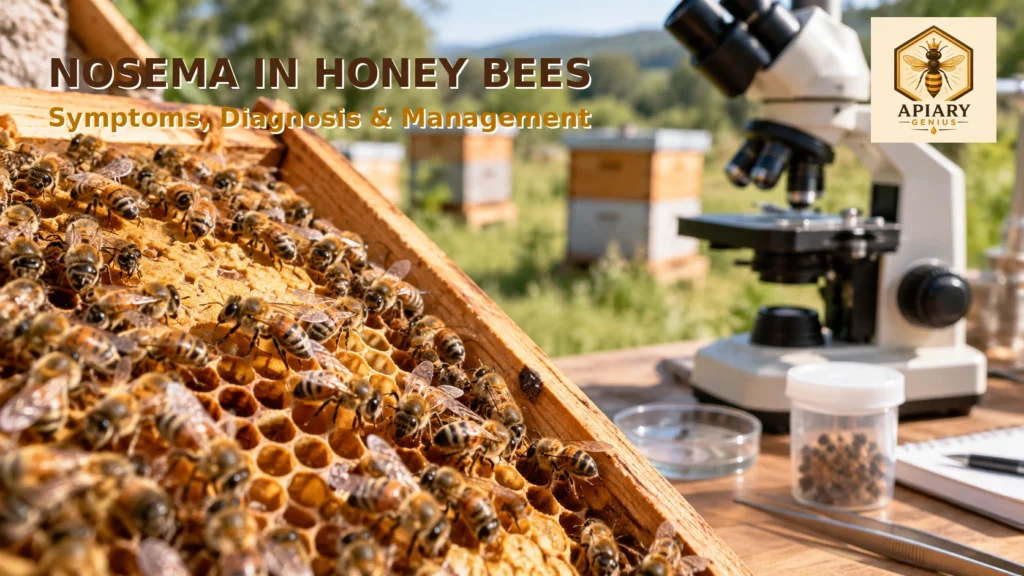
Nosema in Honey Bees: Symptoms, Diagnosis, and Management
Nosema in honey bees can be difficult to recognize because the signs you see at the hive rarely provide a

Nosema in honey bees can be difficult to recognize because the signs you see at the hive rarely provide a
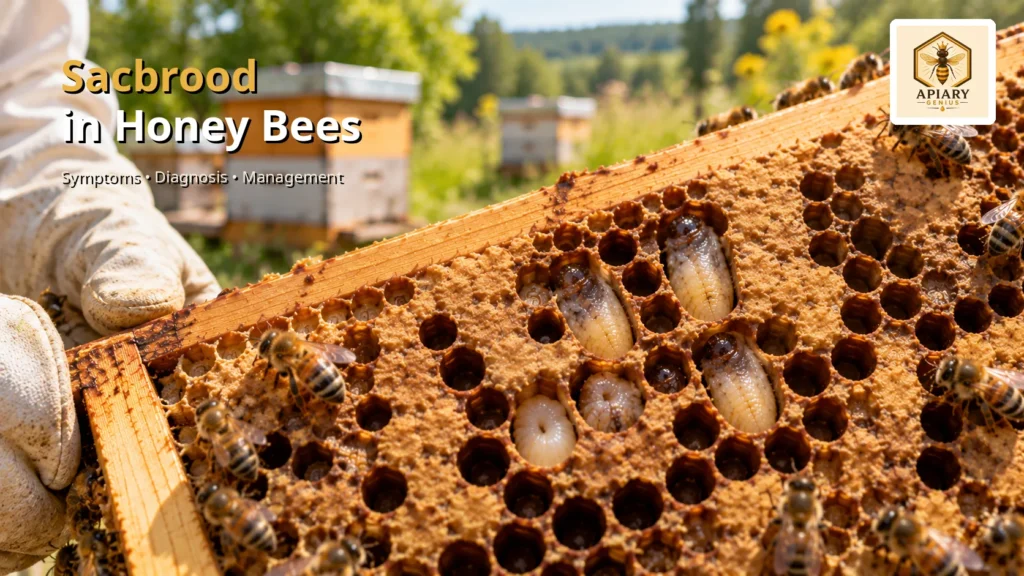
Finding dead, discolored, or strangely positioned larvae in a brood nest can be alarming. One possible cause is sacbrood, a
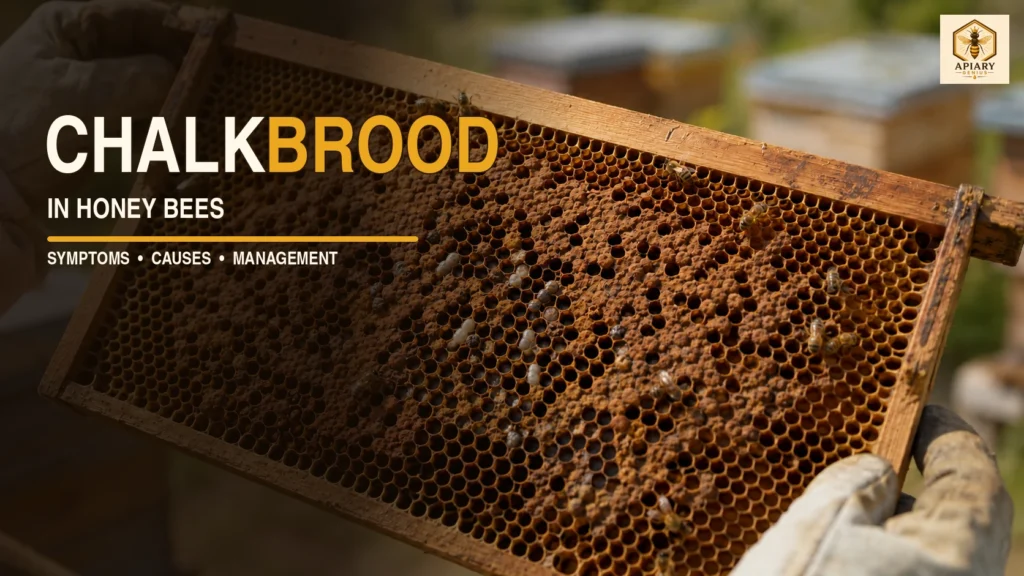
Finding small white, gray, mottled, or black objects in brood cells—or scattered across the bottom board and near the hive
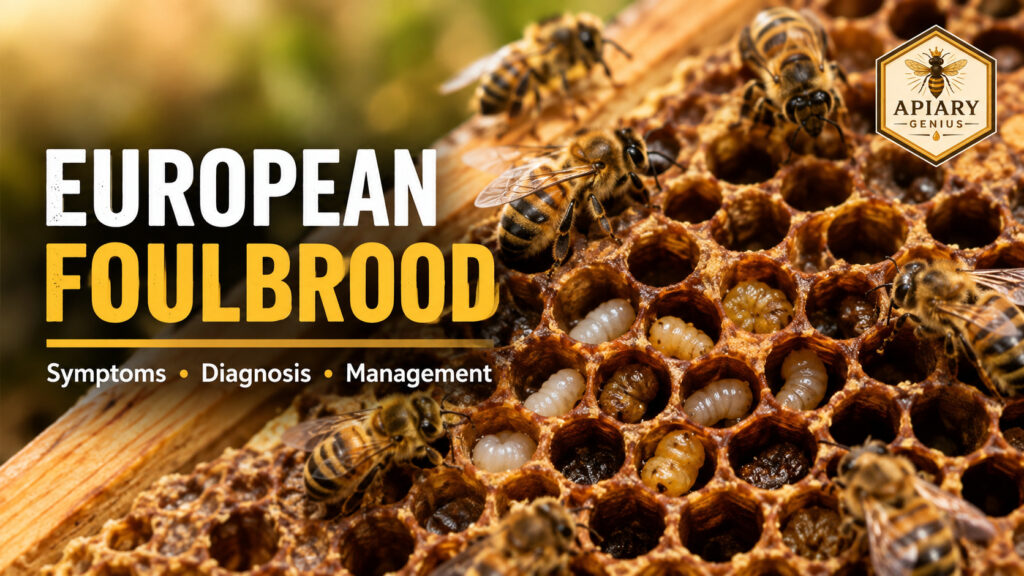
European foulbrood is a bacterial disease of honey bee brood that can range from a limited, temporary problem to a
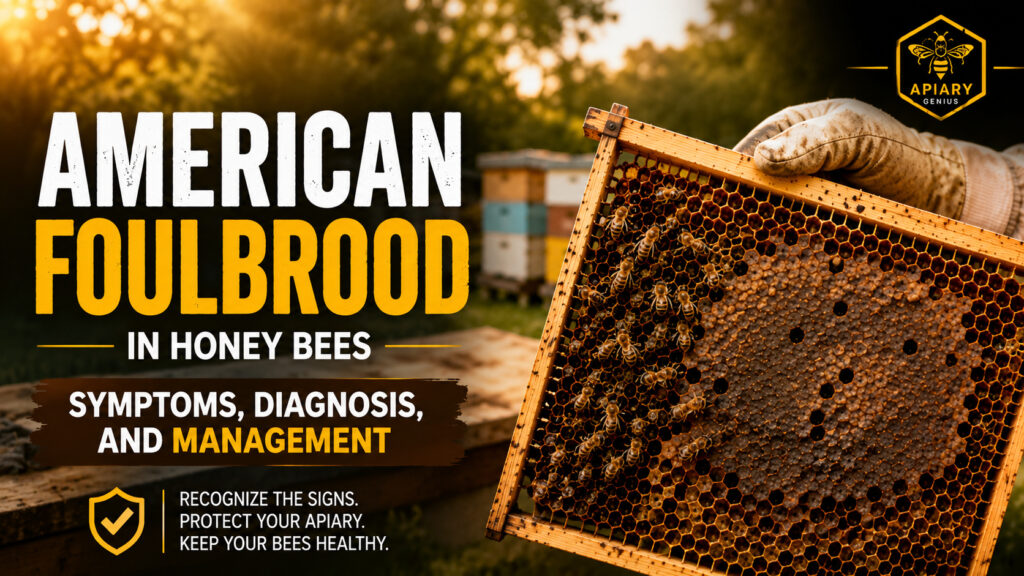
American foulbrood is one of the most serious bacterial diseases affecting honey bee brood. It can begin with only a
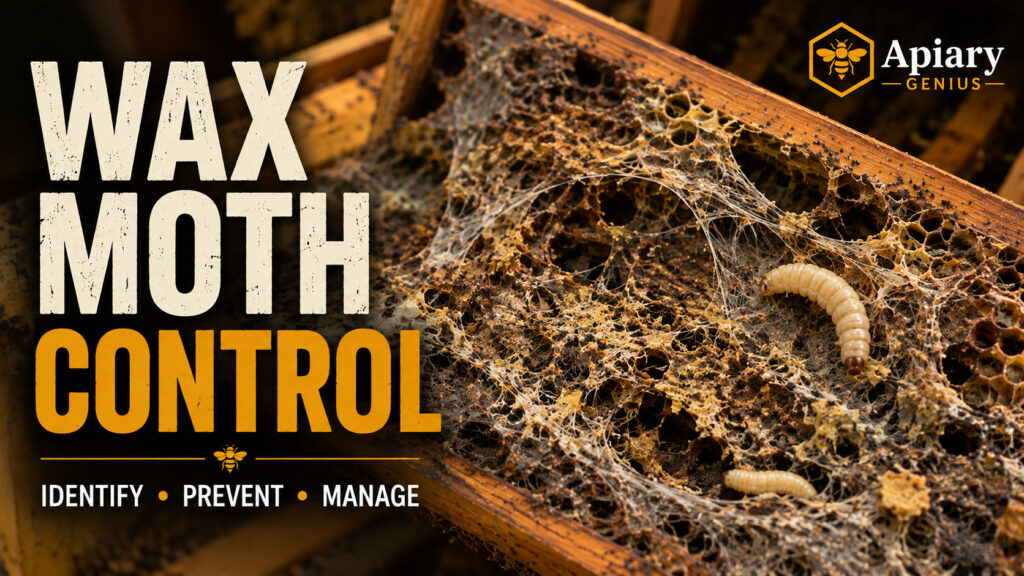
Finding webbing, tunnels, damaged comb, or pale caterpillar-like larvae inside a hive can be alarming. Wax moths can destroy valuable
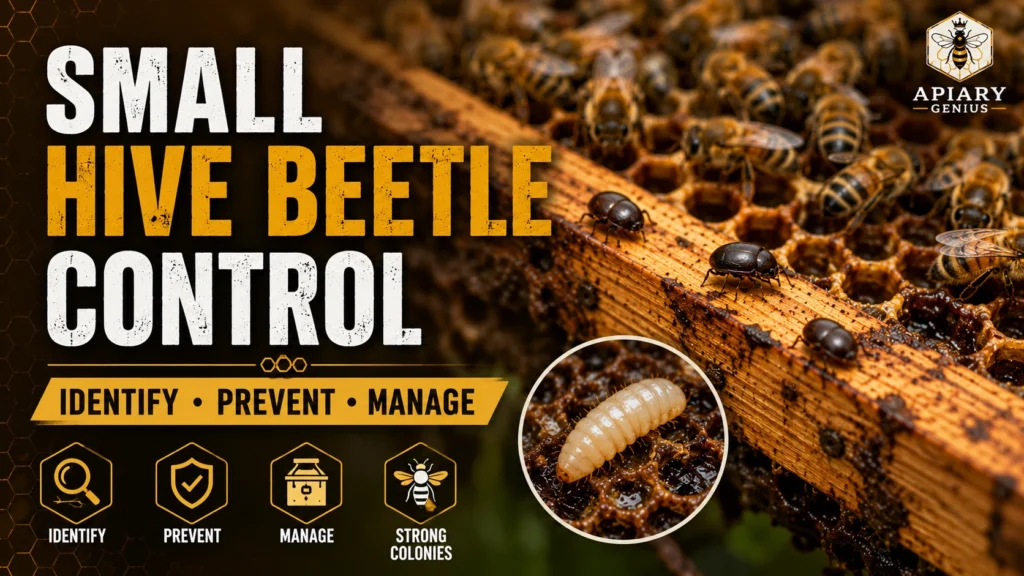
Finding small dark beetles running across a frame or disappearing into the corners of a hive can be unsettling, especially
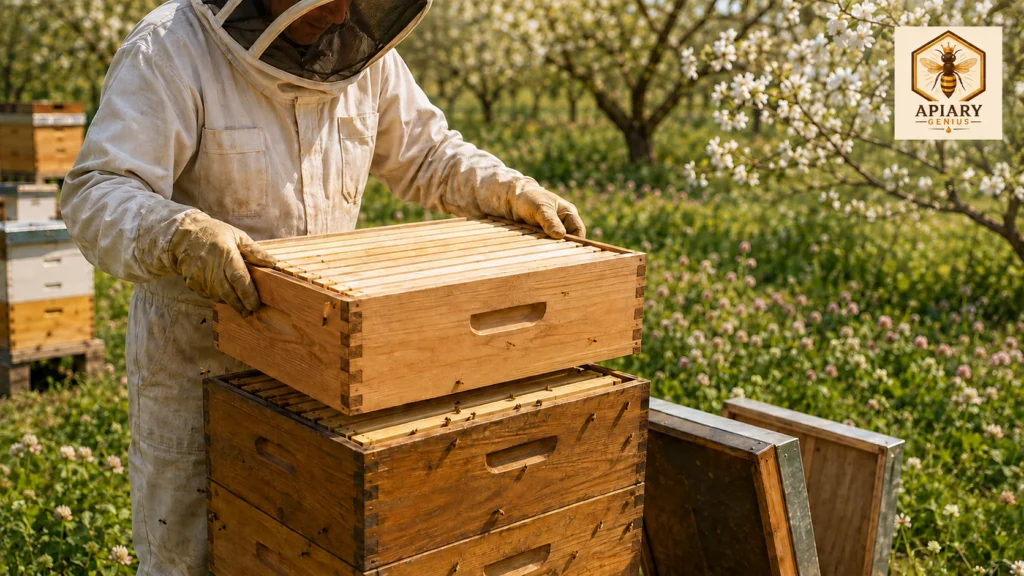
Knowing when to add a honey super helps a strong colony store incoming nectar before its working space becomes crowded.

A healthy queen is central to a productive honey bee colony. She lays the eggs that become the next generation

Learning how to split a beehive is one of the most useful skills you can develop as a beekeeper. A