
About Apiary Genius
About Apiary Genius
Apiary Genius is an independent educational resource dedicated to helping beginner and experienced beekeepers make informed, practical decisions about hive management, bee health, seasonal care, equipment, and honey harvesting.
Our goal is to make beekeeping information easier to understand without sacrificing accuracy. We focus on practical, step-by-step guidance that readers can apply in their own apiaries while recognizing that beekeeping practices may vary depending on climate, location, colony conditions, and local regulations.
Our Mission
Our mission is to provide clear, useful, and well-researched beekeeping information that helps readers better understand honey bees, maintain healthier colonies, and develop responsible beekeeping practices.
How We Create Our Content
Articles published on Apiary Genius are researched using reputable beekeeping, agricultural, university extension, scientific, and government resources whenever appropriate.
We aim to distinguish established beekeeping practices from recommendations that may depend on local conditions. Articles are reviewed and updated when important new information becomes available.
What You’ll Find Here
Whether you’re setting up your first hive or managing several colonies, our beekeeping guides are organized to match where you are in your journey. Each guide focuses on practical steps you can apply right away, from choosing the right equipment to recognizing early signs of colony stress.
- Beginner-friendly beekeeping guides
- Hive inspection and management advice
- Seasonal beekeeping practices
- Honey bee health and pest management
- Varroa mite monitoring and control information
- Beekeeping tools and equipment guides
- Honey harvesting and storage techniques
Our Commitment to Reliable Information
Beekeeping involves living colonies and changing environmental conditions. For this reason, Apiary Genius encourages readers to consider local climate, regulations, treatment labels, and guidance from qualified local beekeeping or agricultural authorities when making important colony-management decisions.
When appropriate, our articles reference authoritative external resources so readers can verify information and explore topics in greater depth.
Our beekeeping guides are written to be actionable rather than purely theoretical. We test recommendations against real seasonal conditions and update content as beekeeping science and best practices evolve.
About the Author
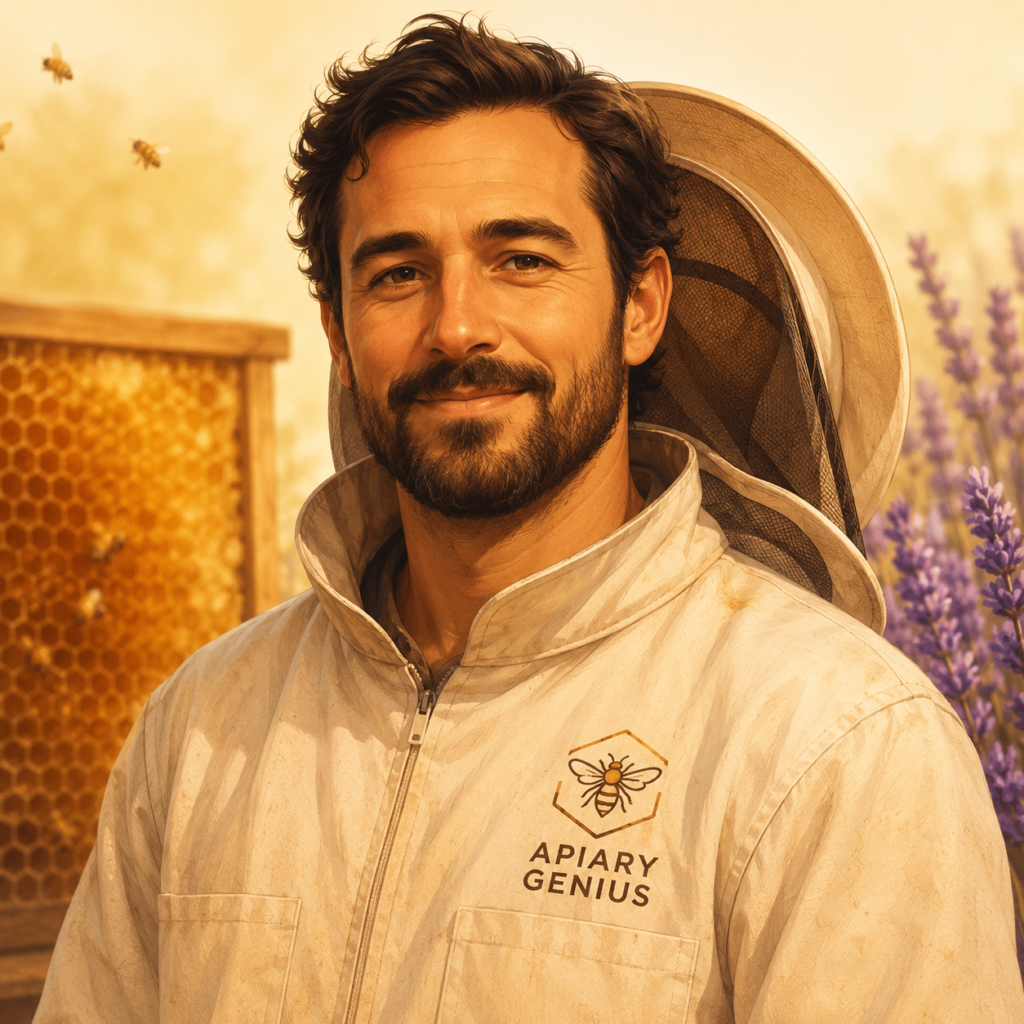
Youssef Elhakri is the creator of Apiary Genius and oversees the development of its educational beekeeping content.
Apiary Genius was created to build an accessible library of practical beekeeping information, bringing together clear explanations, useful resources, and evidence-informed guidance for beekeepers.
Beekeeping is a practice that rewards patience and consistent observation. Apiary Genius exists to support that process by turning scattered, technical information into guidance that fits into a beekeeper’s actual season — from spring buildup through winter preparation.
If you’re just getting started, our How to Start Beekeeping guide is the best place to begin. For broader context on sustainable beekeeping practices, organizations like the Food and Agriculture Organization also publish useful research on pollinator health.
We also try to be upfront about the limits of general advice. Two hives in the same backyard can behave differently depending on genetics, local forage, and how a colony came through the previous winter. Because of this, our beekeeping guides focus on explaining the reasoning behind a recommendation, not just the recommendation itself, so readers can adapt it to their own situation rather than follow it blindly. This approach takes longer to write, but it produces content that holds up across different climates and levels of experience.
Transparency
We believe readers should be able to understand how our content is produced and what sources support important recommendations.
Apiary Genius is committed to correcting significant errors and updating articles when better or more current information becomes available.